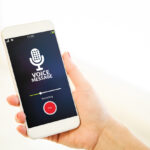
The fitness industry is brutally competitive. A new gym, boutique studio, or CrossFit box opens every week in most mid-sized cities. Members join with good intentions and cancel when life gets in the way. Seasonal drops post-January, post-summer can wipe out months of hard-won membership growth in just a few weeks.
Marketing budgets in fitness are typically tight. Most gym owners rely on Instagram ads, email blasts, and referral programs. These work to varying degrees, but they all share one major weakness: they’re easy to ignore. A scroll-past is costless. An unsubscribe takes one click.
A voicemail is different. When someone sees a notification that they have a new voicemail, they listen to it. And if that voicemail sounds like it’s coming from their gym from a person who knows their name the psychological impact is immediate and personal.
This is exactly why ringless voicemail is gaining serious traction with gym owners, fitness studio managers, and personal trainers who want to grow memberships, fill class schedules, and keep their current members engaged.
The Real Problem Facing Gym Owners
Gyms lose somewhere between 30% and 50% of their members every year. That number is staggering. It means you’re not just growing, you’re running on a treadmill, replacing members as fast as they walk out the door.
The reasons members leave are well-documented: they stop coming, feel forgotten, and eventually cancel because the habit breaks. The gyms that retain members best are the ones that make members feel seen and connected, not just sold a membership and left to figure it out.
The other problem is lead conversion. Most gyms generate inquiries from their website, social ads, or walk-ins, but the follow-up process is inconsistent. A lead who inquires on Tuesday evening doesn’t hear back until Wednesday afternoon, and by then they’ve already visited a competitor.
Ringless voicemail addresses both problems; it creates consistent, personal outreach at scale that sounds human, not automated.
How Ringless Voicemail Works in a Fitness Context
Ringless voicemail (RVM) drops a pre-recorded audio message directly into a recipient’s voicemail inbox without their phone ringing. Combined with AI personalization, each drop can include the recipient’s first name, the class they attended (or missed), their membership anniversary, or the specific promotion you’re running.
Platforms like RinglessVoicemail.AI let you upload your member or prospect list, customize variables, record or clone your voice, and schedule drops at optimal times all from a single dashboard.
The result is outreach that sounds like a genuine personal call from your front desk team or head coach, delivered to hundreds or thousands of people simultaneously.

Use Case 1: Converting Trial Members and Free Pass Visitors
The highest-leverage moment in a gym’s sales funnel is the 48 hours after a free trial or guest pass visit. This is when the prospect is most engaged, the experience is fresh, and the decision to join is most likely to happen.
Most gyms follow up with an email. But email open rates in fitness hover around 20%, and many trial visitors are in their 20s and 30s demographics that respond far better to voice than inbox.
A ringless voicemail drop the day after a free trial visit might sound like: “Hey Alex, this is Jamie from [Studio Name] just wanted to say it was great having you in for the 6 AM class yesterday. If you have any questions about memberships or want to lock in our current rate before it changes next week, just give me a call back.”
That message takes 15 seconds to listen to. It’s warm, specific, and creates a gentle urgency. For prospects who were genuinely impressed by their trial, this is often all it takes to close. Combine this approach with insights from how ringless voicemail improves customer engagement to structure a multi-touch sequence around your trial program.
Use Case 2: Winning Back Cancelled or Lapsed Members
Every gym has a list of former members who cancelled, paused, or just stopped coming. These are warm prospects. They already know your facility, your culture, your instructors. They don’t need to be educated on what you offer.
A reactivation campaign via ringless voicemail can bring a meaningful portion of these people back, especially if it’s timed around key moments: New Year’s, spring fitness season, post-summer, or a major facility upgrade.
“Hi Sam, it’s [Name] from [Gym] we miss having you around. We’ve added some new equipment and a couple of new class formats since you left, and we’re running a special for returning members this month. No commitment just wanted to make sure you knew the door’s always open.”
This message doesn’t feel like a marketing blast. It feels like someone noticed Sam was gone and actually cared enough to reach out. That’s the power of voice. The principles behind this approach are explored in depth in the guide to ringless voicemail for customer reactivation, which outlines exactly how to structure win-back sequences for maximum response.
Use Case 3: Reducing At-Risk Member Churn
The best time to save a member is before they cancel, not after. Usage data is a powerful early warning signal a member who used to come four times a week and now hasn’t scanned in for three weeks is a churn risk.
Most gym software tracks this data. By integrating your gym management platform with an RVM tool via API or CSV export, you can automatically trigger a personal outreach message when a member’s visit frequency drops below a threshold.
“Hey Maria, we noticed it’s been a little while since you’ve been in just wanted to check in and make sure everything’s okay. If there’s anything we can help with schedule, classes, anything don’t hesitate to reach out. We’d love to see you back.”
This kind of proactive outreach dramatically outperforms waiting for the cancellation request and then trying to save the relationship. Pairing this strategy with the broader framework in boosting customer retention with ringless voicemail gives gym owners a complete retention system built around voice touchpoints.
Use Case 4: Filling Underperforming Class Time Slots
Every studio has dead spots in its schedule: the 2 PM Tuesday yoga class that runs with four people when it could hold twenty, or the early Friday morning HIIT session that nobody books.
Rather than discounting these slots publicly (which trains members to wait for deals), you can use ringless voicemail to fill them with targeted, exclusive outreach. Drop a message to members who typically attend similar classes at other times:
“Hey Jordan we have a few spots open in Thursday’s 7 PM strength class, which doesn’t usually have availability. Since you train with us on similar days, I wanted to give you first dibs before we open it up. Just reply or call if you want me to hold your spot.”
This feels like an insider perk, not a fill-in pitch. Members appreciate the personal notice, and it reinforces the sense that your gym actually pays attention to them as individuals. The research on the psychology behind ringless voicemail explains why this kind of exclusivity-framed message consistently outperforms broadcast promotions.
Use Case 5: Seasonal Campaigns and Membership Drives
January is the obvious opportunity but there are more. Post-summer re-engagement (September), pre-holiday motivation push (October–November), and spring fitness season (March–April) are all prime windows for a targeted membership drive.
A well-timed ringless voicemail campaign to your cold prospect list people who inquired but never joined during these peak motivation windows can generate a surge of new signups without expensive ad spend.
Combine your seasonal RVM campaign with a limited-time offer, a referral incentive for current members, and a follow-up SMS sequence for non-responders. For a complete approach to integrating these channels, the guide to ringless voicemail in multi-channel marketing covers how to build a coordinated outreach sequence across voice, text, and email.
Measuring What Works
Like any marketing channel, ringless voicemail requires tracking to optimize. The key metrics for a gym or fitness studio are:
- Callback rate: what percentage of drops result in a return call
- Conversion rate from callback: how many callers convert to trial, membership, or class booking
- Churn reduction: is your at-risk outreach actually reducing cancellation rates month over month?
- Cost per acquisition: total campaign cost divided by new members generated
With platforms like RinglessVoicemail.AI, you get access to delivery reports, callback tracking, and campaign-level analytics. For a full breakdown of the metrics that matter, the ringless voicemail analytics guide walks through how to set up proper tracking from day one.
What Does It Cost?
For a gym or fitness studio, the economics are compelling. A basic plan starts at $50/month, with per-drop costs as low as $0.006 at scale. Even at the mid-range rate of $0.015 per drop, sending 1,000 voicemails costs $15. If that generates just two new memberships at $50/month each, the ROI is immediate and obvious.
Compare that to the cost of a Facebook ad campaign generating 1,000 impressions, or the time cost of your front desk team making 100 cold follow-up calls. Ringless voicemail is one of the most cost-efficient outreach tools available to fitness businesses of any size.
Take the First Step
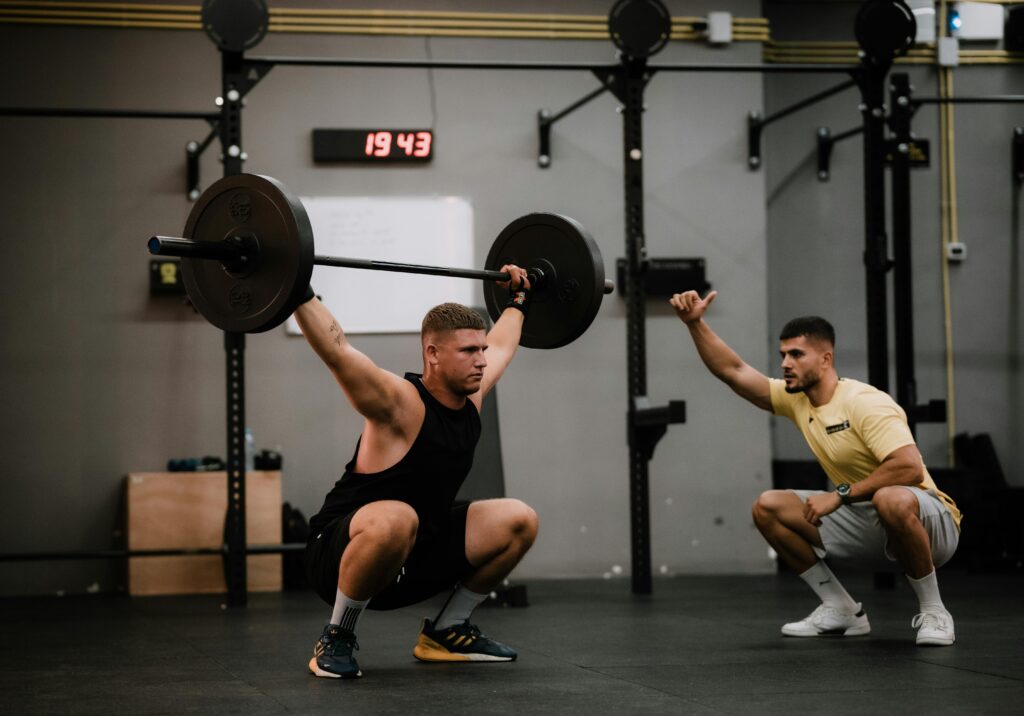
Whether you’re running a 24/7 big-box gym, a boutique yoga studio, or a personal training business, ringless voicemail can help you convert more trials, retain more members, and fill your schedule more consistently all on autopilot.
Start your free trial at RinglessVoicemail.AI today get $10 in credits, no commitment required, and see your first callbacks come in within 24 hours.
Frequently Asked Questions
1. Can I send ringless voicemails to gym members who are already clients?
Yes, and this is one of the most compliant and effective use cases. Existing business relationships generally allow outreach without additional consent, though you should always offer an opt-out. Check your state regulations and review the legal guide to ringless voicemail for specifics.
2. How do I personalize voicemail drops for gym members at scale?
By uploading your member list with a data file that includes first names, class history, membership status, and any other relevant fields, platforms like RinglessVoicemail.AI inject these variables into each drop automatically, so every message sounds individually tailored.
3. What’s the best time to drop voicemails to gym members?
Aim for late morning (10 AM–12 PM) or early evening (5:30–7 PM) on Tuesdays through Thursdays. These windows align with when fitness consumers are most mentally engaged with their health goals and most likely to listen and act.
4. Can ringless voicemail integrate with my gym management software?
Yes. Most RVM platforms offer API access, and RinglessVoicemail.AI supports CSV uploads and API integrations that connect with popular gym management platforms. Trigger drops automatically based on usage data, trial expirations, or renewal dates.
5. How many members can I realistically win back with a reactivation campaign?
Response rates vary, but well-crafted reactivation campaigns to former gym members typically see 4–10% callback rates, with 20–40% of callers converting to a renewed membership. On a list of 200 lapsed members, that could mean 8–20 conversations and 2–8 new re-signups from a single campaign costing just a few dollars in drops.